
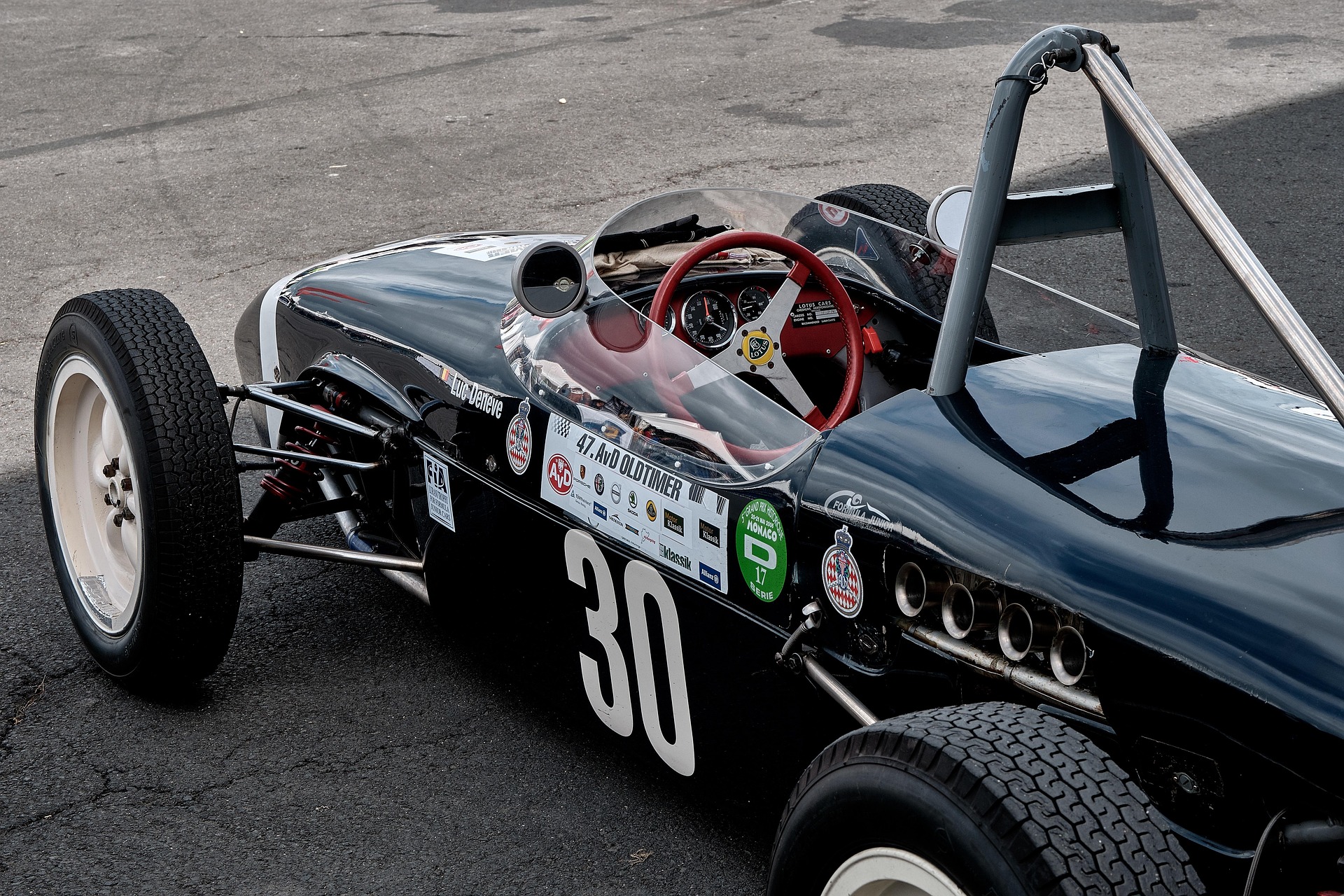
Formula 1 is a spectacle of speed, precision, and danger. For decades, engineers have pushed the limits to protect drivers in conditions where survival hangs by a thread. Every detail matters, from crash structures to cockpit design. Surprisingly, many of these advancements have trickled down into the cars we drive on regular streets. It’s fascinating how technologies forged in high-stakes racing are now part of family sedans, SUVs, and even compact hatchbacks. What seems like a glamorous addition is actually a life-saving evolution. Engineers test, refine, and reimagine these systems for everyday drivers. The result is safety that feels effortless yet remarkably effective.
The Halo Effect: Protecting the Driver’s Head
 One of the most iconic F1 safety innovations is the halo device. Initially controversial, this titanium ring shields drivers’ heads from flying debris and heavy impacts. The technology is now inspiring similar protective structures in race-derived consumer vehicles. Car manufacturers have adapted reinforced roll cages and enhanced roof structures to mirror this principle. It’s subtle, often invisible, but its impact on safety is monumental. Drivers and passengers alike benefit from added head protection without sacrificing style or design. Every collision scenario becomes less catastrophic.
Advanced Crash Structures
Formula 1 cars feature crash boxes that absorb extreme energy during impacts. These structures deform intentionally, dissipating force away from the driver. This principle has been adapted for modern vehicles through crumple zones that anticipate collisions. Manufacturers now integrate multi-layered steel, aluminum, and polymer combinations to mimic F1 crash absorption. The result is cars that deform strategically, preserving the cabin while reducing injury. Each collision becomes a controlled energy exchange, safeguarding occupants in ways early car designs couldn’t.
Seat Belts and Harness Innovation
F1 drivers rely on multi-point harnesses that keep them locked in during high-speed incidents. Standard three-point seat belts in consumer vehicles borrow this concept with advanced pretensioners and load limiters. These systems tighten instantly in a crash, then ease pressure to reduce injury. Some high-end vehicles also incorporate adaptive restraints that respond to vehicle dynamics. This is a direct nod to the racing technologies that anticipate how the human body moves under extreme forces. Everyday drivers now benefit from systems honed for athletes enduring g-forces exceeding imagination.
Data-Driven Safety Systems
Telemetry is crucial in Formula 1. Sensors constantly monitor tire pressure, suspension, and driver biometrics to prevent accidents. Modern cars incorporate a scaled version of this concept with driver-assist technologies. Lane-keeping aids, collision warning systems, and automated braking all reflect the same philosophy: anticipate and react faster than humans can. These technologies are quietly reshaping daily driving, making each journey safer without demanding a conscious effort.
The Future of Safety in Mass Cars
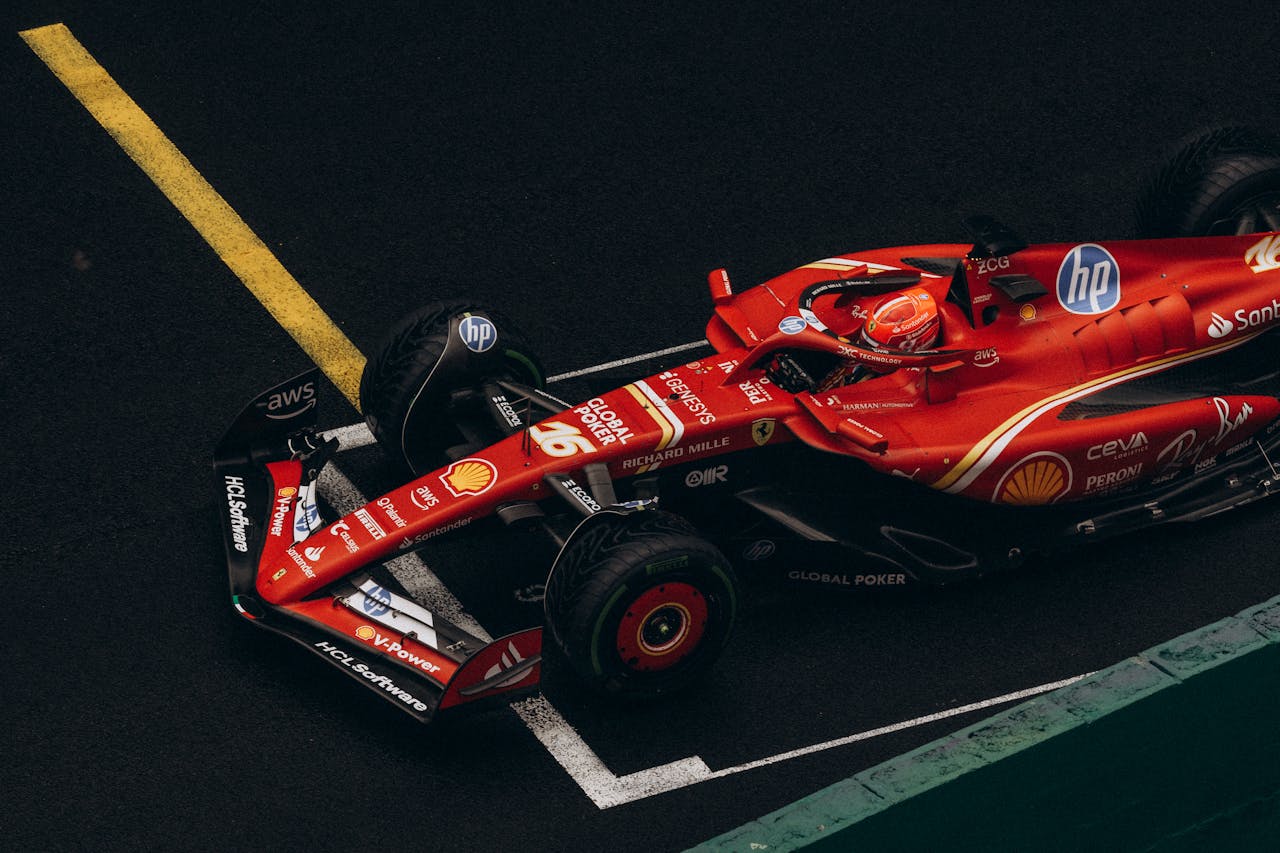
Formula 1 will continue to push boundaries, and consumer vehicles will follow. Expect adaptive crash structures, smarter sensors, and even materials once reserved for racetracks. Safety isn’t just an upgrade; it’s becoming integral to automotive identity. Today, driving feels safer not because the roads changed, but because racing innovation carved new rules for protection. The racetrack and the boulevard are linked by technology, and every ride is a little less risky because of it. Manufacturers have made survival stylish, seamless, and essential.
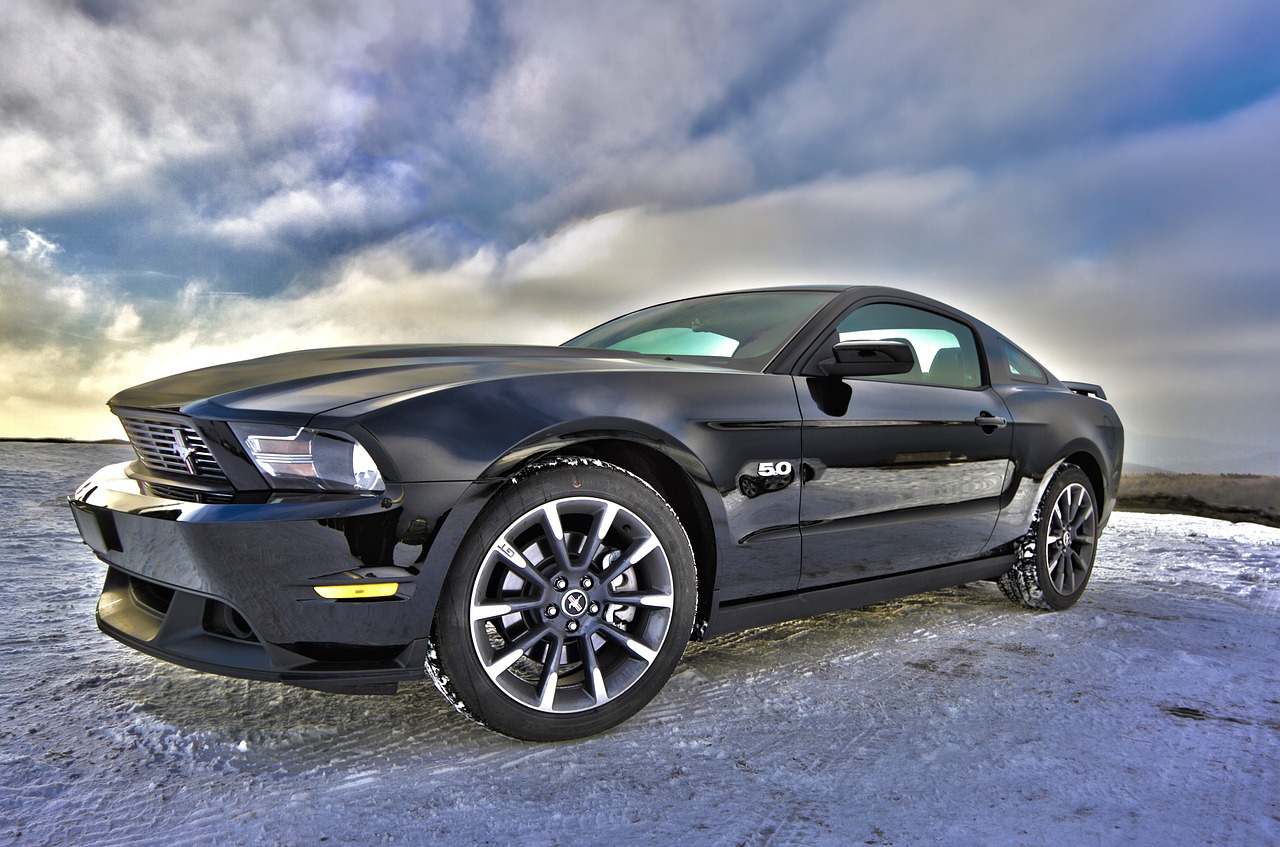
 The Aston Martin Vanquish made a stunning debut in “Die Another Day,” showcasing the perfect blend of luxury and performance. This sleek beauty became synonymous with James Bond’s suave persona, proving that style can be as thrilling as speed. With its powerful V12 engine, the Vanquish roared through action-packed scenes, embodying 007’s relentless pursuit of justice. Every turn and chase was amplified by its striking design—smooth lines coupled with an aggressive stance created a visual masterpiece. It’s no wonder fans still dream about getting behind the wheel of this automotive legend today.
 The Porsche 996 Carrera is a sight to behold in “The Transporter.” This car perfectly embodies the essence of high-octane action and sleek style. With its iconic curves, the 996 captures attention on every street. The film showcases it not just as a vehicle but as an integral part of Frank Martin’s persona. It drives home his character’s sophistication and precision. Performance-wise, this beast offers impressive power under the hood. It accelerates like a cheetah, making chase scenes thrilling to watch. Every turn taken by Jason Statham feels effortless behind that wheel.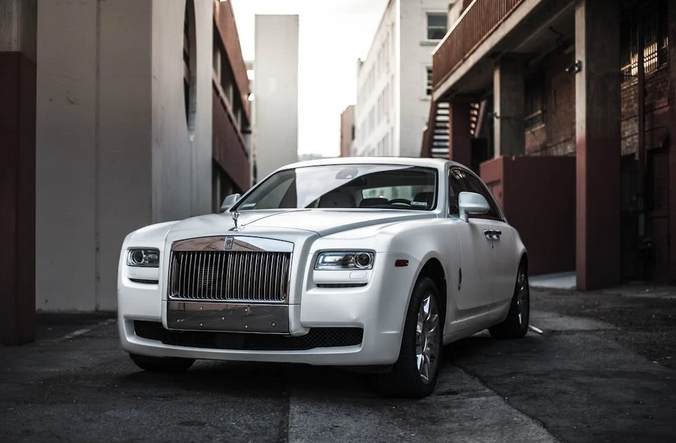








 One of the most important things to check before picking out a car is the vehicle history report. It’s important to know what type of accidents the car has been involved in, any outstanding recalls, and other maintenance-related issues that can help you get a full picture of the car’s condition. When doing so, you must check the best places to get vehicle history reports. This way, you can ensure that the report you’re getting is accurate and reliable. Some people may find this unnecessary, but this step could save you a lot in the long run. According to research, people who read vehicle history reports are likely to be happy with their car purchase.
 The last and most important thing to check for when picking out a car are the safety features. It’s essential to ensure that the car you buy has all the necessary safety features, such as airbags, seatbelts, and anti-lock brakes. This is a crucial step in ensuring your safety while driving. Additionally, if you are buying a used car, it is important to make sure that all of the safety features are in working order and not damaged. Try each of them and check out the features that can save you in the case of an emergency. If any of the safety features do not work or are damaged, then it is important to factor that into the car purchase cost.
 The shipping method you choose will also affect the cost of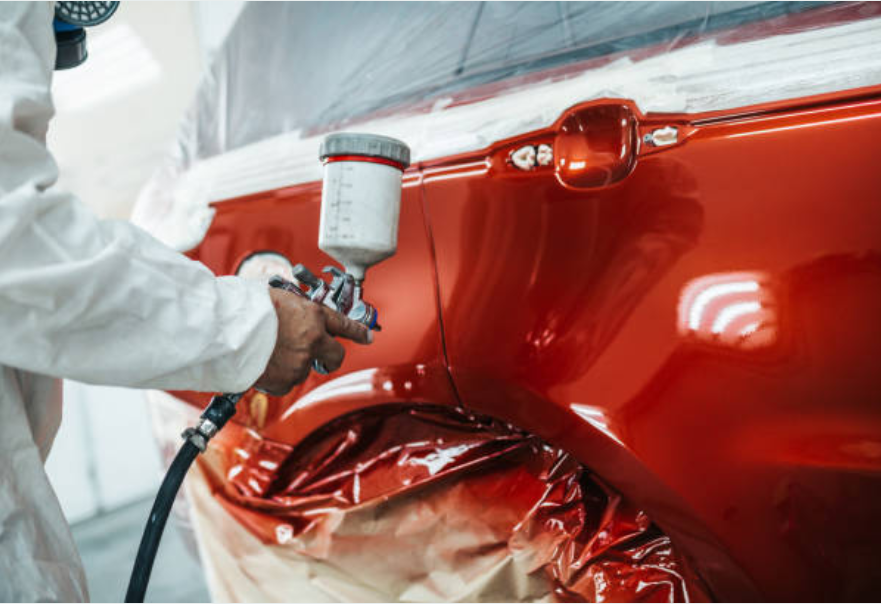


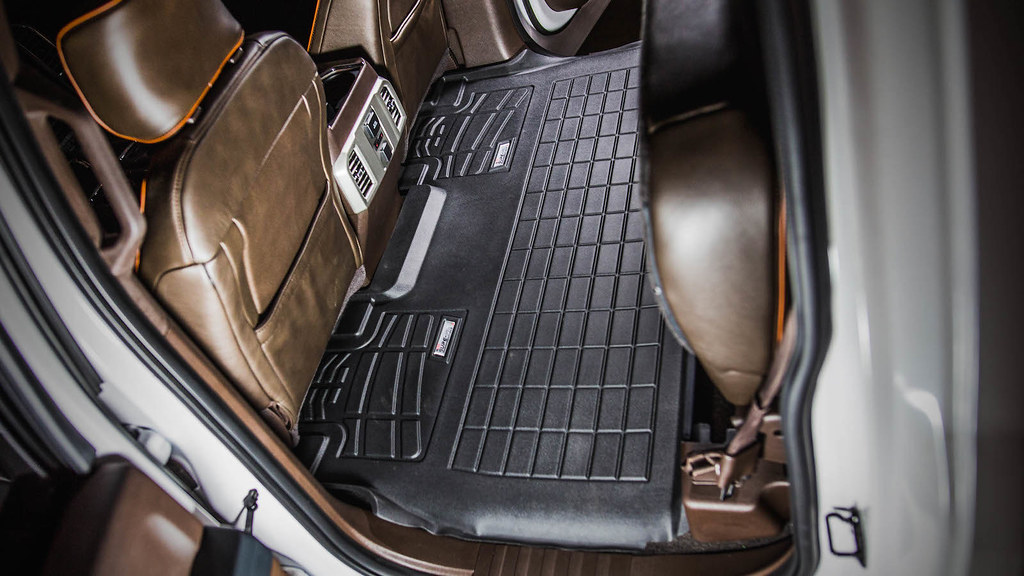
 It is critical to note that the mat of a van will not be the same as that of a truck. Once you visit various mat retailers, ensure that you start by identifying your car model. In doing this, they will listen to your description and offer you the correct size of your car mat.

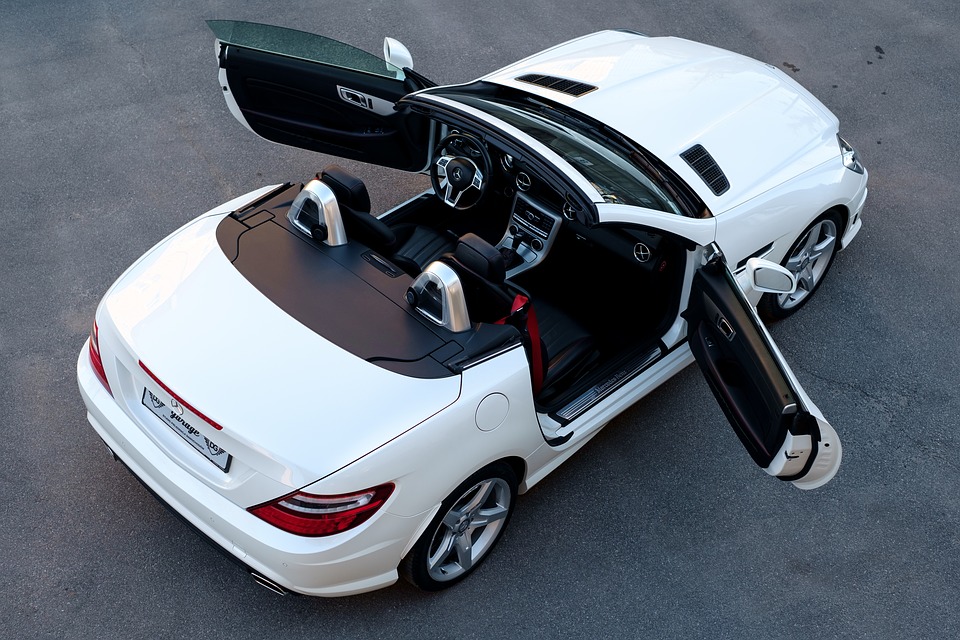
 Various sites can offer you with the accurate information you need. Also, you can ask some of your close friends, relatives and your co-workers who have already bought their cars. They can refer you to the right salesmen based on the quality of their vehicles.
 The air condition and heating of your car is critical as it is useful in the different seasons. Just like the other systems in the vehicle, they tend to fail after some time.


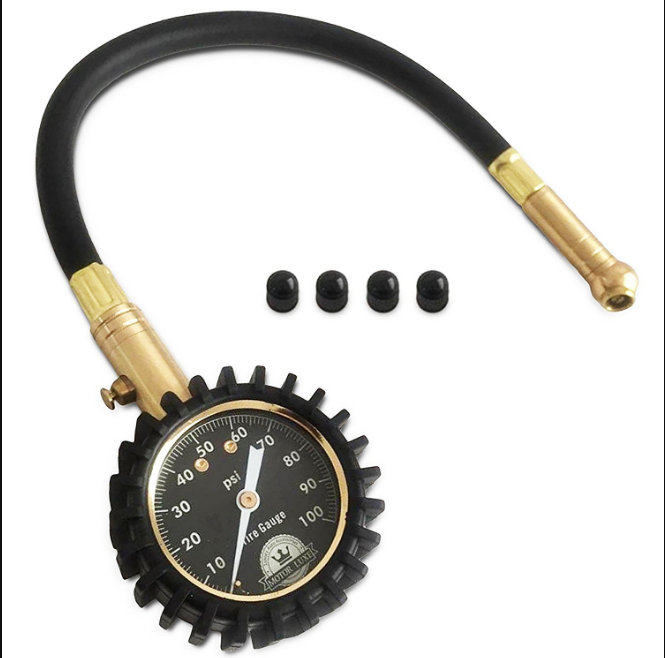
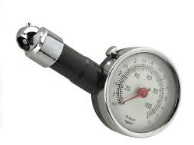 There are very many tire pressure gauges in the market that can easily make one confused on which one to go for. They can be mainly classified into three; the stick type which looks like a ballpoint pen, the digital type have a display screen making them easier to read and lastly the dial gauges which look like a clock.
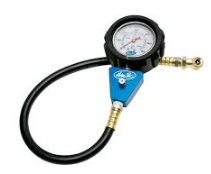 The dial gauges are mostly preferred since they are known to have high accuracy and consistency levels as compared to the others. The most recent digital models are trying to bridge the accuracy gap by having a percentage more or less accurate.
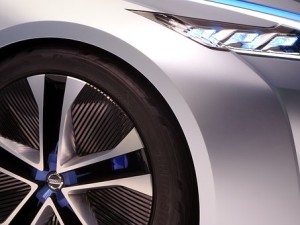 There are different car Wheel Designs. Nevertheless, the ones that’ll go well with your vehicle will depend mainly on your car’s model. If you have the budget and means, it is recommended that you buy alloy car wheels as they not only give your vehicle a better look but also promise excellent performance over an extended period.
 This corresponds to the distance between the wheel’s center point and its disc’s mounting surface. This value can be zero, negative or positive. Zero offset implies that the car wheel’s mounting surface is at its center. Offset plays a key role in the positioning of the tire and facilitates adequate dual spacing.