
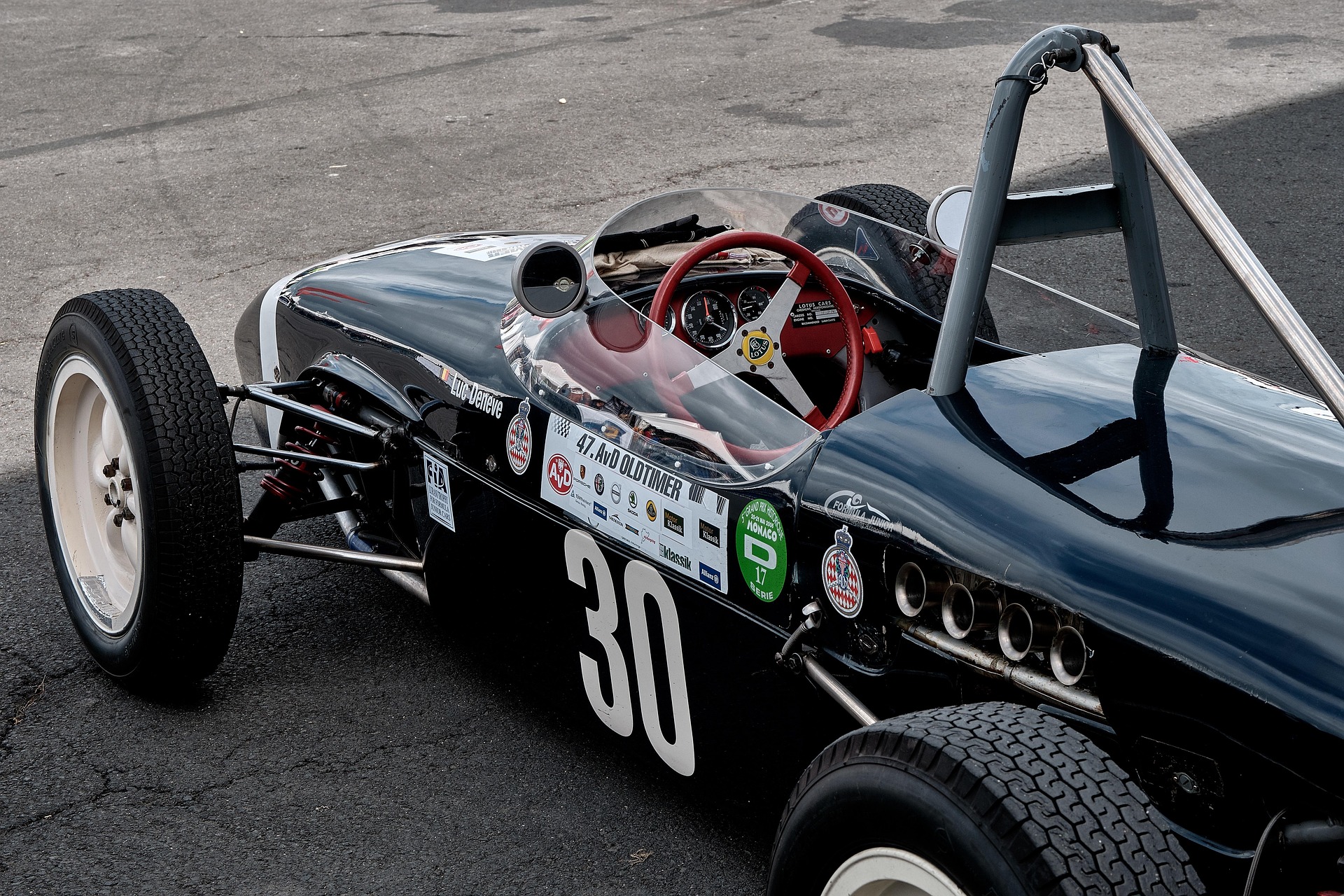
Formula 1 Safety Features That Are Now Adapted to Mass-Produced Cars
Formula 1 is a spectacle of speed, precision, and danger. For decades, engineers have pushed the limits to protect drivers in conditions where survival hangs by a thread. Every detail matters, from crash structures to cockpit design. Surprisingly, many of these advancements have trickled down into the cars we drive on regular streets. It’s fascinating how technologies forged in high-stakes racing are now part of family sedans, SUVs, and even compact hatchbacks. What seems like a glamorous addition is actually a life-saving evolution. Engineers test, refine, and reimagine these systems for everyday drivers. The result is safety that feels effortless yet remarkably effective.
The Halo Effect: Protecting the Driver’s Head
 One of the most iconic F1 safety innovations is the halo device. Initially controversial, this titanium ring shields drivers’ heads from flying debris and heavy impacts. The technology is now inspiring similar protective structures in race-derived consumer vehicles. Car manufacturers have adapted reinforced roll cages and enhanced roof structures to mirror this principle. It’s subtle, often invisible, but its impact on safety is monumental. Drivers and passengers alike benefit from added head protection without sacrificing style or design. Every collision scenario becomes less catastrophic.
Advanced Crash Structures
Formula 1 cars feature crash boxes that absorb extreme energy during impacts. These structures deform intentionally, dissipating force away from the driver. This principle has been adapted for modern vehicles through crumple zones that anticipate collisions. Manufacturers now integrate multi-layered steel, aluminum, and polymer combinations to mimic F1 crash absorption. The result is cars that deform strategically, preserving the cabin while reducing injury. Each collision becomes a controlled energy exchange, safeguarding occupants in ways early car designs couldn’t.
Seat Belts and Harness Innovation
F1 drivers rely on multi-point harnesses that keep them locked in during high-speed incidents. Standard three-point seat belts in consumer vehicles borrow this concept with advanced pretensioners and load limiters. These systems tighten instantly in a crash, then ease pressure to reduce injury. Some high-end vehicles also incorporate adaptive restraints that respond to vehicle dynamics. This is a direct nod to the racing technologies that anticipate how the human body moves under extreme forces. Everyday drivers now benefit from systems honed for athletes enduring g-forces exceeding imagination.
Data-Driven Safety Systems
Telemetry is crucial in Formula 1. Sensors constantly monitor tire pressure, suspension, and driver biometrics to prevent accidents. Modern cars incorporate a scaled version of this concept with driver-assist technologies. Lane-keeping aids, collision warning systems, and automated braking all reflect the same philosophy: anticipate and react faster than humans can. These technologies are quietly reshaping daily driving, making each journey safer without demanding a conscious effort.
The Future of Safety in Mass Cars
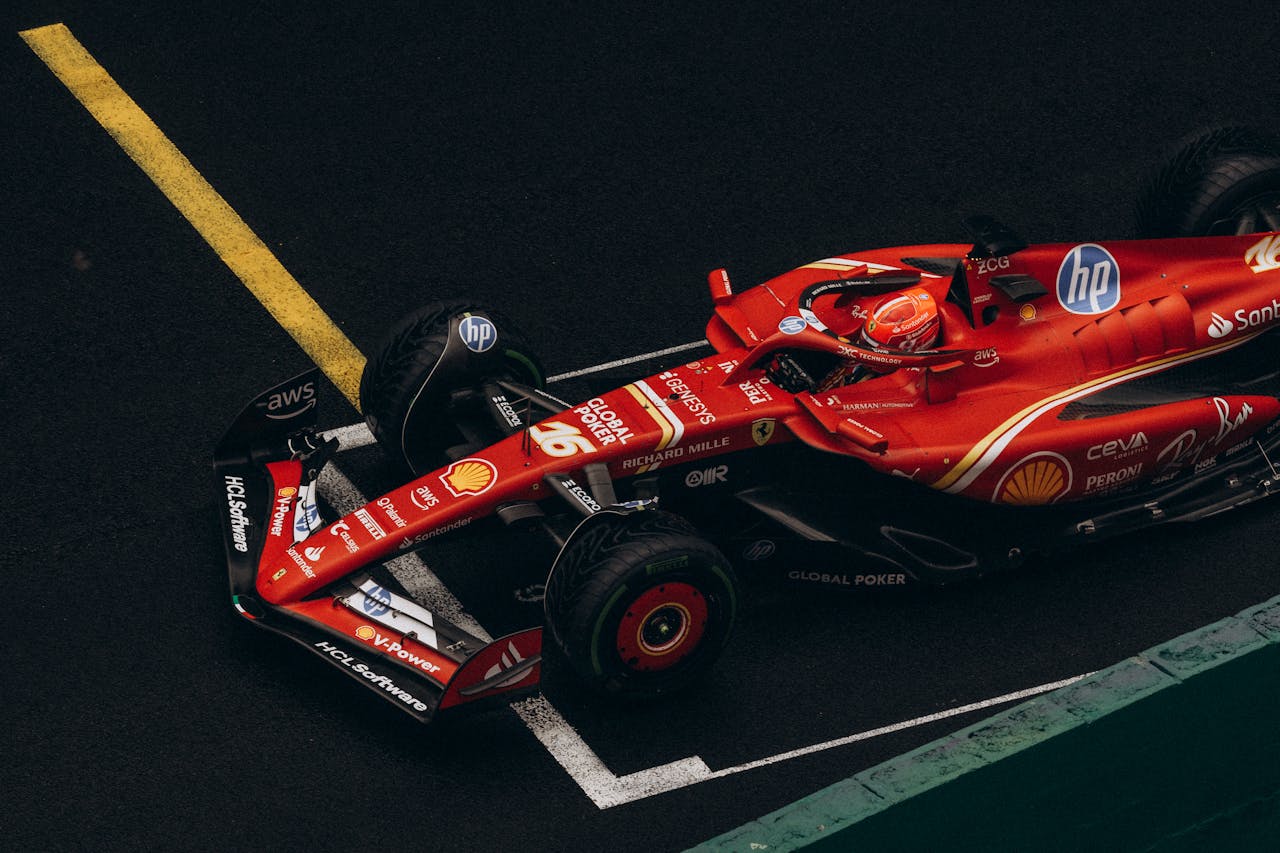
Formula 1 will continue to push boundaries, and consumer vehicles will follow. Expect adaptive crash structures, smarter sensors, and even materials once reserved for racetracks. Safety isn’t just an upgrade; it’s becoming integral to automotive identity. Today, driving feels safer not because the roads changed, but because racing innovation carved new rules for protection. The racetrack and the boulevard are linked by technology, and every ride is a little less risky because of it. Manufacturers have made survival stylish, seamless, and essential.