How Interior Technology Is Changing the Modern Driving Experience
Cars are no longer defined only by engine performance, exterior styling, and mechanical features. The cabin has become an important part of the driving experience. Modern vehicles increasingly use digital displays, connected systems, voice controls, driver assistance features, and advanced entertainment technology to make journeys easier and more engaging. These systems can help drivers access information, manage navigation, communicate, and adjust vehicle settings with less effort. They also change how passengers interact with the car during everyday travel. As technology continues to develop, vehicle interiors are becoming more like connected spaces than simple places to sit. Understanding these changes helps explain how interior technology is reshaping modern driving.
Improving Driver Information
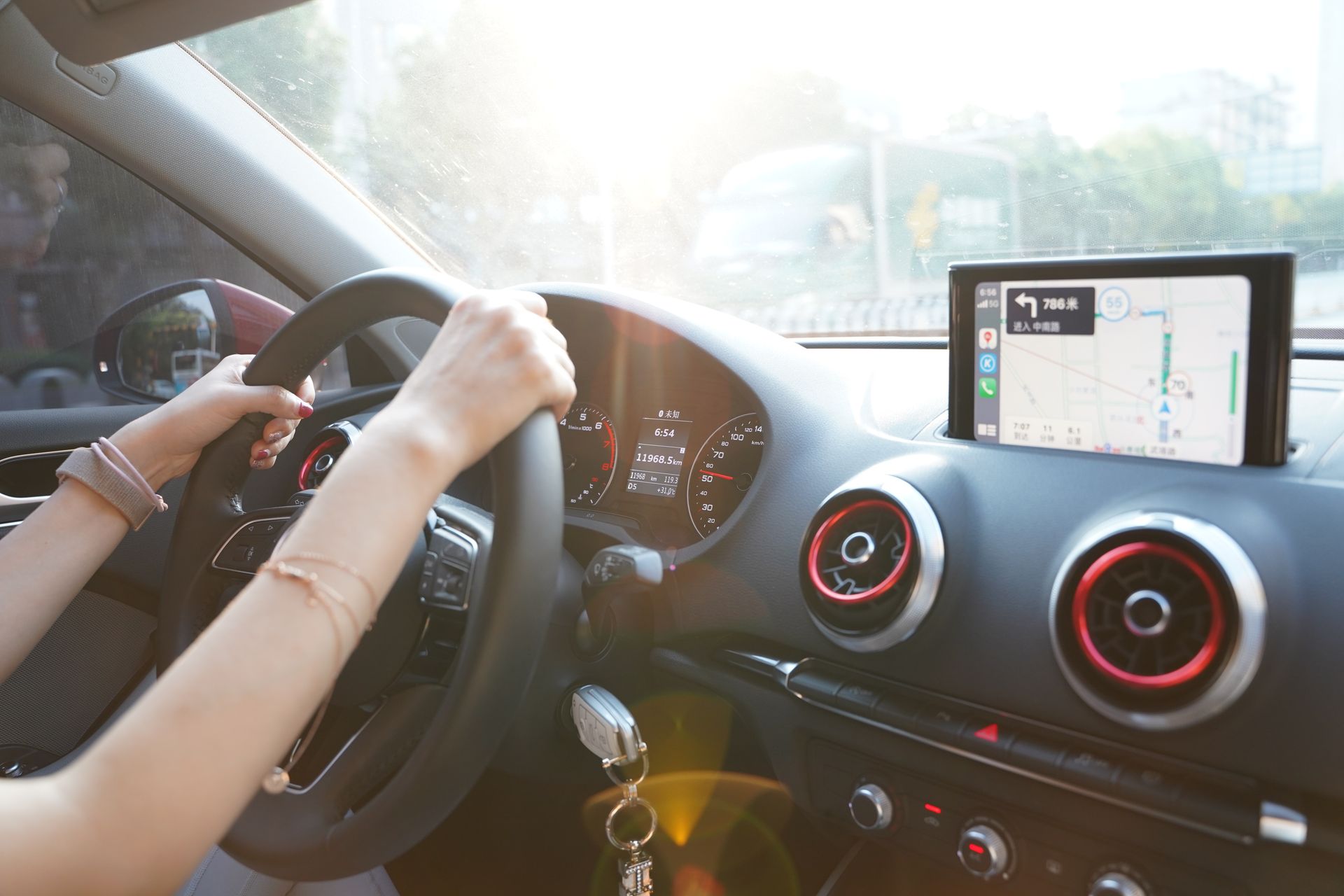
Digital instrument displays have changed how drivers receive important information. Instead of relying only on traditional gauges, modern dashboards can present speed, fuel or battery levels, navigation directions, warnings, and vehicle status on configurable screens. This information can be organized according to driving conditions. Some systems can highlight navigation guidance during a trip or display efficiency information when needed. Clear presentation can help drivers find relevant details without searching through multiple controls. However, too much information can become distracting. Good interior design balances technology with simplicity so that important information remains easy to understand.
Connecting Navigation Systems
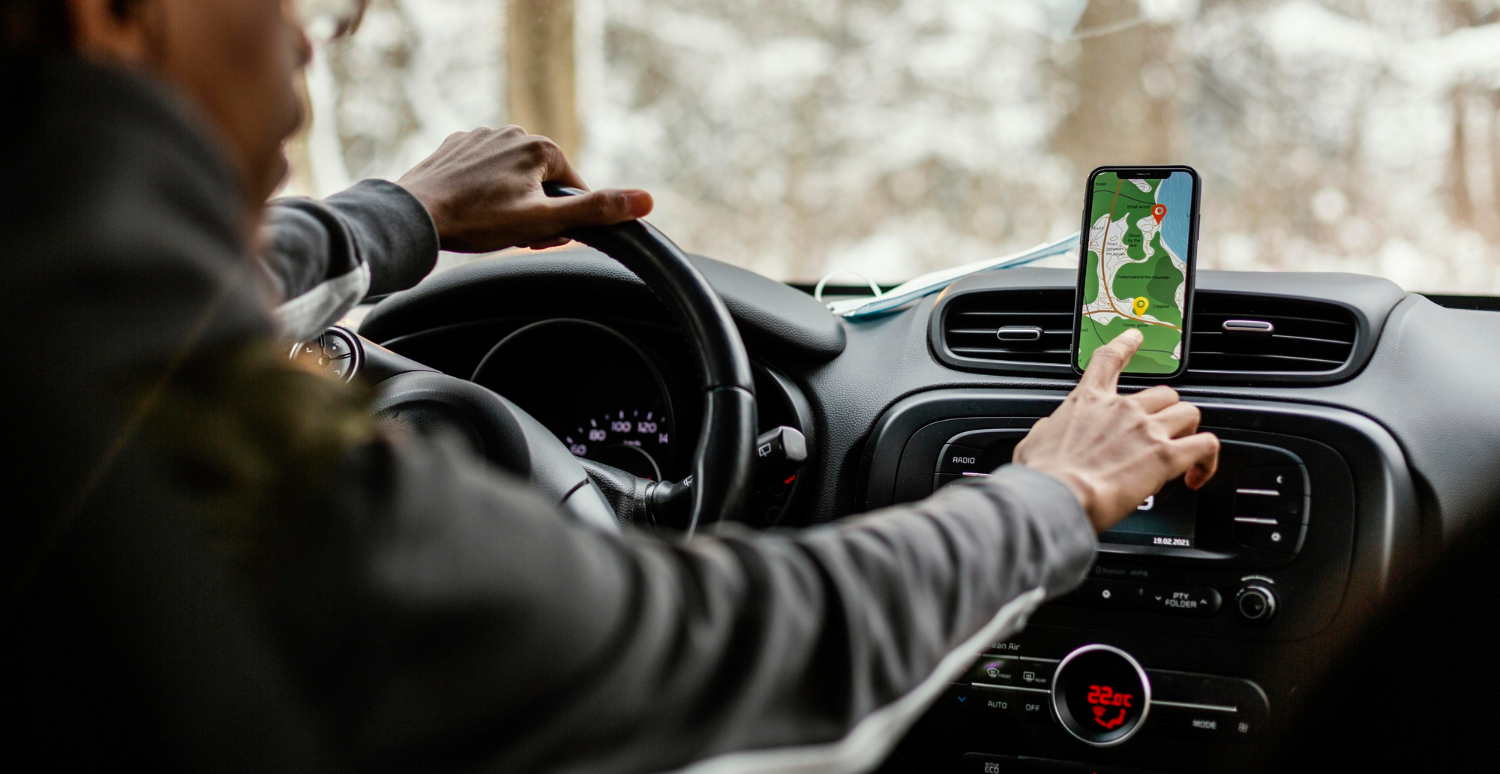
Navigation technology has become more integrated into vehicle interiors. Modern systems can provide turn-by-turn directions, traffic updates, estimated arrival times, and information about nearby destinations. Connected navigation can also adjust routes when traffic conditions change. This can help drivers avoid delays and plan trips more effectively. Large central displays make maps easier to view, while some vehicles provide navigation information through the instrument cluster or head-up display. Showing guidance closer to the driver’s natural line of sight can reduce the need to look toward a separate screen.
Expanding Voice Controls
Voice technology is becoming another common feature inside modern vehicles. Drivers can use spoken commands to control navigation, make calls, adjust certain settings, or manage entertainment functions. Voice controls can reduce the need to reach for physical buttons or touchscreens. This can be useful when drivers need to keep their attention focused on the road. The quality of voice recognition still varies between systems. Background noise, accents, unclear commands, and connectivity issues can affect performance. Even so, improvements in speech technology are making voice interaction more practical for everyday driving.
Enhancing Passenger Comfort
Interior technology is not limited to the driver. Passengers can benefit from improved entertainment, connectivity, climate controls, and charging options. Modern vehicles may include multiple USB ports, wireless charging areas, Bluetooth connectivity, rear entertainment screens, and customizable climate settings. These features can make longer journeys more comfortable, particularly for families and passengers who spend significant time traveling. Some vehicles also allow different occupants to control individual settings. This can reduce disagreements over temperature, entertainment, or seating preferences.
Supporting Driving Assistance
Driver assistance technology has become closely connected to the vehicle interior. Cameras, sensors, and software can provide information through dashboard displays, warning sounds, or steering wheel feedback. Features such as lane departure warnings, blind-spot alerts, parking assistance, and adaptive cruise control can provide additional support in appropriate driving situations. The interior is responsible for communicating these systems clearly. Alerts need to be noticeable without becoming confusing or overwhelming. Drivers must also understand that assistance features do not replace attention or responsible driving.
Personalizing the Experience
Personalization is another major development in vehicle interiors. Digital systems can allow drivers to save preferred seating positions, climate settings, display layouts, audio preferences, and navigation choices. Connected profiles may also allow different drivers to access their preferred settings when they enter the vehicle. This reduces the need to adjust everything manually. Future interiors may become even more personalized as software develops.
However, convenience should remain balanced with privacy, security, and ease of use. Interior technology is changing modern driving by making vehicle cabins more connected, informative, comfortable, and responsive. Digital displays provide clearer information, navigation systems help with route planning, and voice controls offer another way to interact with vehicle functions. Passengers also benefit from better connectivity and entertainment, while driver assistance systems provide additional information during travel. These improvements can make journeys more convenient while giving drivers greater control over everyday tasks.
Conclusion
These technologies can improve convenience, but they also create new responsibilities. Drivers still need to pay attention to traffic and understand the limits of electronic systems. Manufacturers must also consider privacy, cybersecurity, accessibility, and straightforward interface design. The best automotive technology is not simply the technology with the most features. It is technology that solves real problems without making driving unnecessarily complicated. As vehicle interiors continue to evolve, thoughtful integration will matter as much as technical capability.